Optimize Azure Fabric Pipelines with This Key Spark Setting

Boost Your Azure Fabric Pipelines: Don’t Overlook This Crucial Spark Setting

Are your Azure Fabric pipelines with multiple notebooks running slower than you’d like? Are you paying for more Spark compute time than you should be? The culprit might be a simple setting that’s easy to miss. In this blog post, we’ll dive into the “For pipeline running multiple notebooks” setting in Azure Fabric and explain why enabling it can significantly improve your pipeline’s performance and reduce your costs.

Read More »

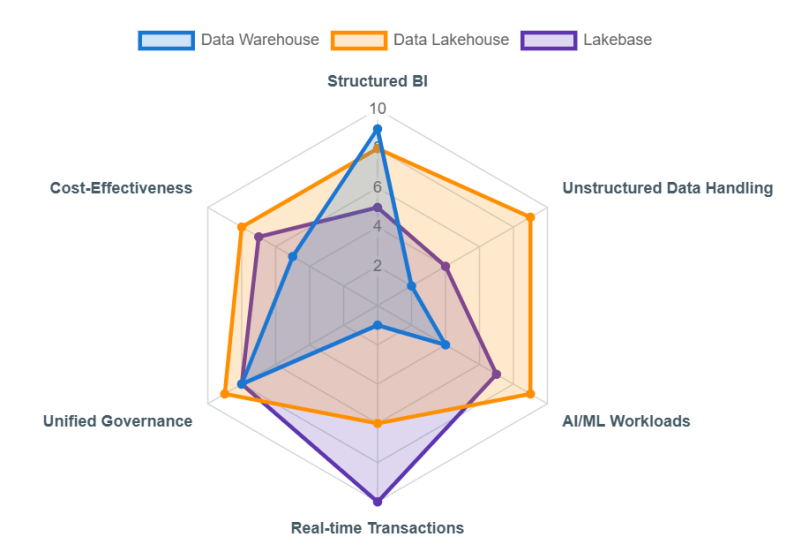
The Evolution of Data: From Databases to Spark to Lakebases

The circle cylinder of life

Maybe you’ve noticed all the twenty somethings tight rolling their jeans or people with bellbottoms or the 80’s music playing in grocery stores… It’s true, fashion and art are cyclical. I’m certain we’ll be seeing MC Hamer pants as a new trend around 2030.

Technology, much like fashion, often operates in an ever-moving circle. Trends emerge, fade, and then, with a fresh coat of paint and some innovative twists, reappear as the next big thing. In the world of data and Business Intelligence (BI), we’re witnessing a fascinating full circle moment.

Read More »

Comparing Microsoft Fabric Alternatives in AWS, GCP, and OCI in 2025

I’ve worked quite a bit with Microsoft’s unified analytics platform “Fabric” in Azure and I’ll say it definitely helped make things easier to integrate all the different tools like python notebooks, Data Factory (ADF), Power BI and more. This is because Fabric is a unified tool that combines all these components making authentication seamless using the managed identity from Fabric itself. Is Fabric really necessary? It integrates data integration, data engineering, data warehousing, data science, real-time analytics, and business intelligence into a single SaaS offering with a unified storage layer called OneLake. Sounds amazing right?

Read More »